9 Parks and Gardens in Bali, from a Royal Water Palace to 700 Macaques
July 27, 2026 · Miragi Team
"Park" covers a lot in Bali. Some of these are conservation sites, some are royal gardens, one is a square where an entire royal court walked into Dutch gunfire rather than surrender. What they have in common is that they are places to spend a couple of unhurried hours — and most of them are within easy reach of Denpasar or Ubud.
Mandala Wisata Wenara Wana (Ubud Monkey Forest) — Gianyar
Twenty-seven hectares in the middle of Ubud, home to nearly 700 Balinese long-tailed macaques (Macaca fascicularis) moving freely through the canopy.
What most visitors don't register is that it is a temple complex as much as a wildlife site: three temples stand inside it — Pura Dalem Agung Padangtegal, Pura Beji, and Pura Prajapati — and the forest is used for melukat purification and for sacred trees harvested for ceremonies. Conservation and religious practice are the same institution here. Keep sunglasses, water bottles and loose bags stowed; the macaques are quick and entirely unsentimental.
Taman Ujung — Karangasem
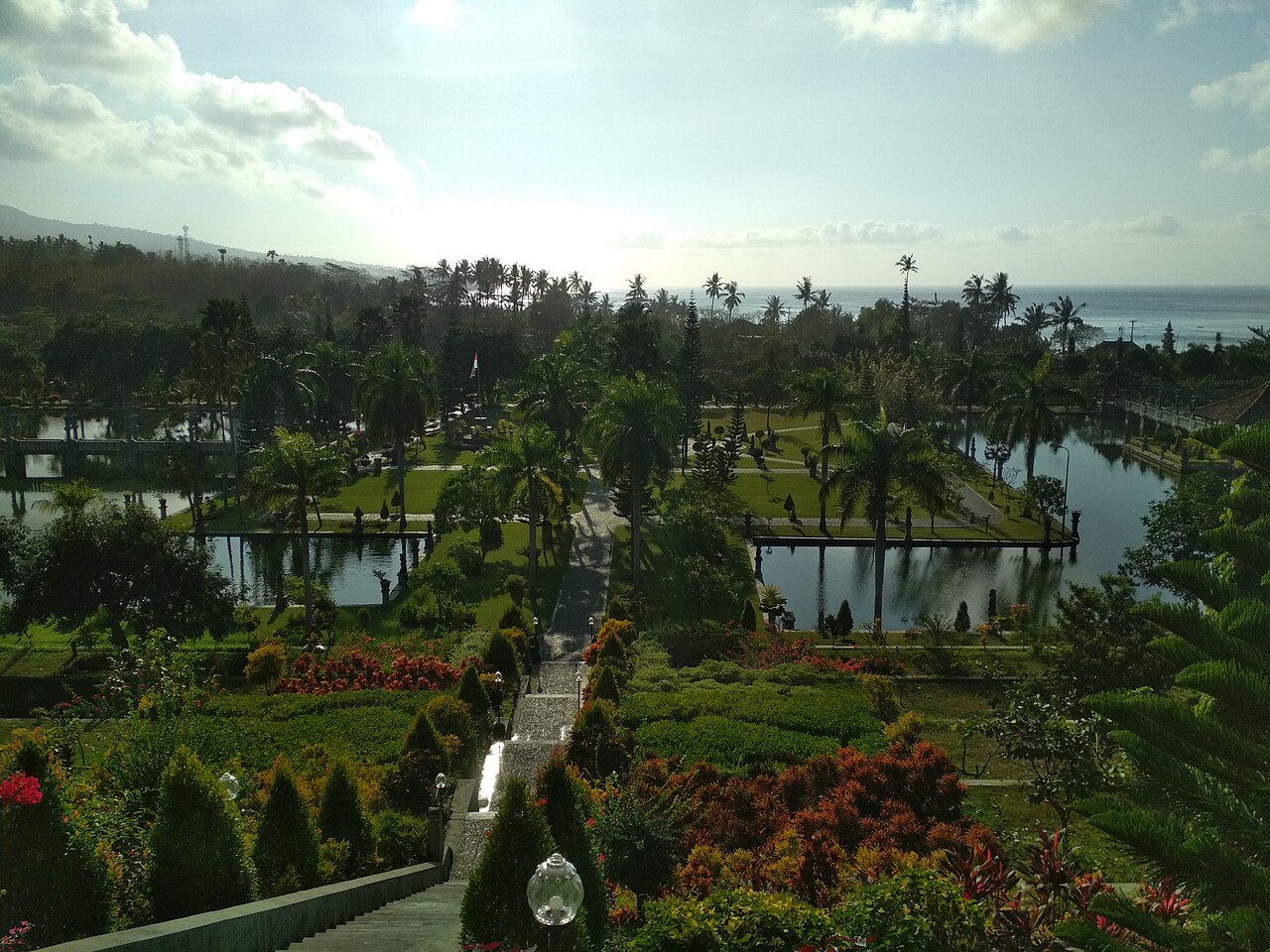
Photo: WMWis — CC BY-SA 4.0, via source

A royal water palace on the eastern tip of the island, built by King I Gusti Bagus Jelantik of Karangasem from 1901 and inaugurated in 1937.
Dutch, Chinese and Balinese architects worked on it together, and it shows — European pavilions and balustrades sitting in Balinese water gardens. It was once 400 hectares; land reform reduced it to 10. It was damaged by the Mount Agung eruption, used as a place of exile in the colonial period, and rebuilt in 2000.
Taman Werdhi Budaya Art Center — Denpasar
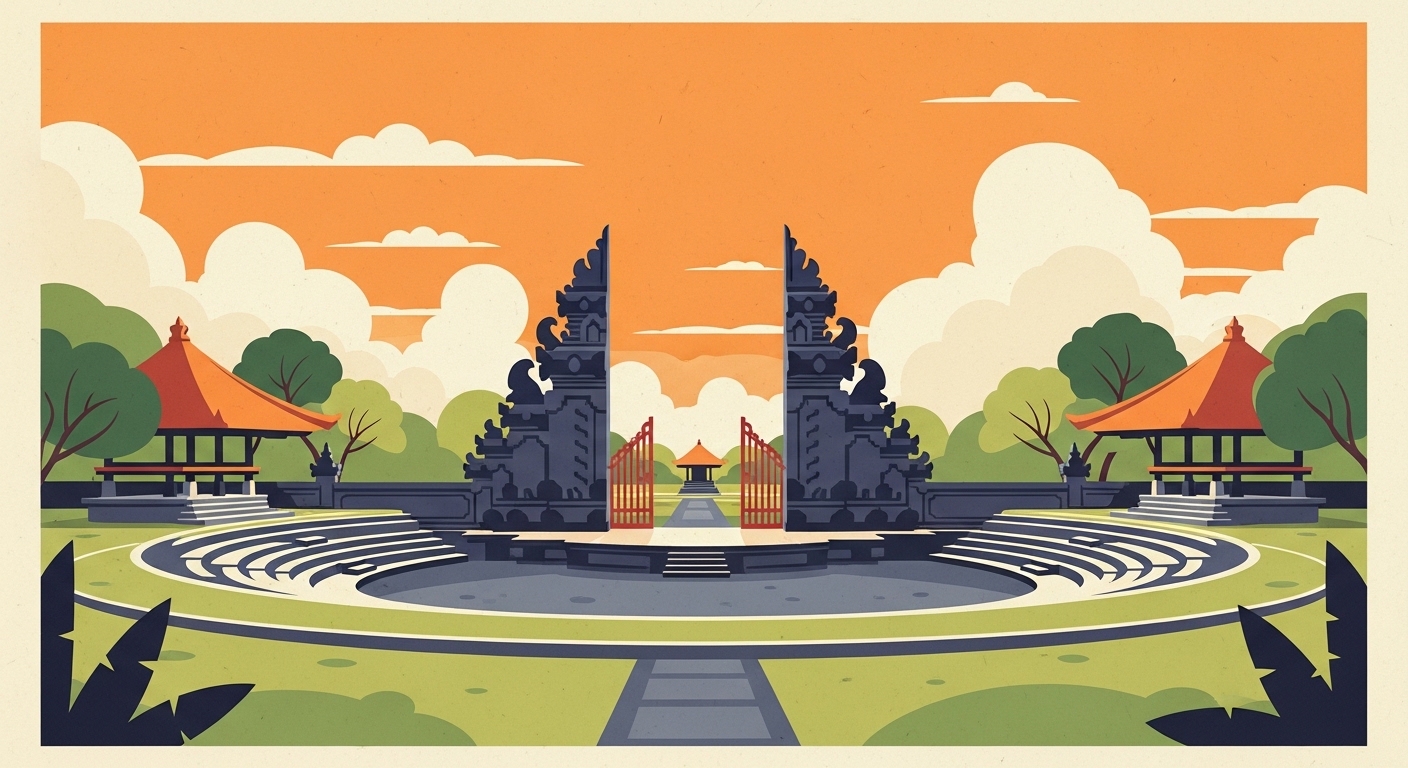
Illustration: Miragi
The largest arts complex on the island, founded in 1969 to preserve Balinese art and performance. Five hectares, deliberately zoned into sacred, tranquil, semi-busy and lively areas — a spatial logic that runs through Balinese design generally.
It holds a temple, a library, studios, the Ardha Candra open-air stage and the Ksirarnawa theatre. Since 1979 it has hosted the Bali Arts Festival (Pesta Kesenian Bali) every June and July, which is the single best time to see Balinese performing arts at full strength.
Lapangan Puputan Badung — Denpasar
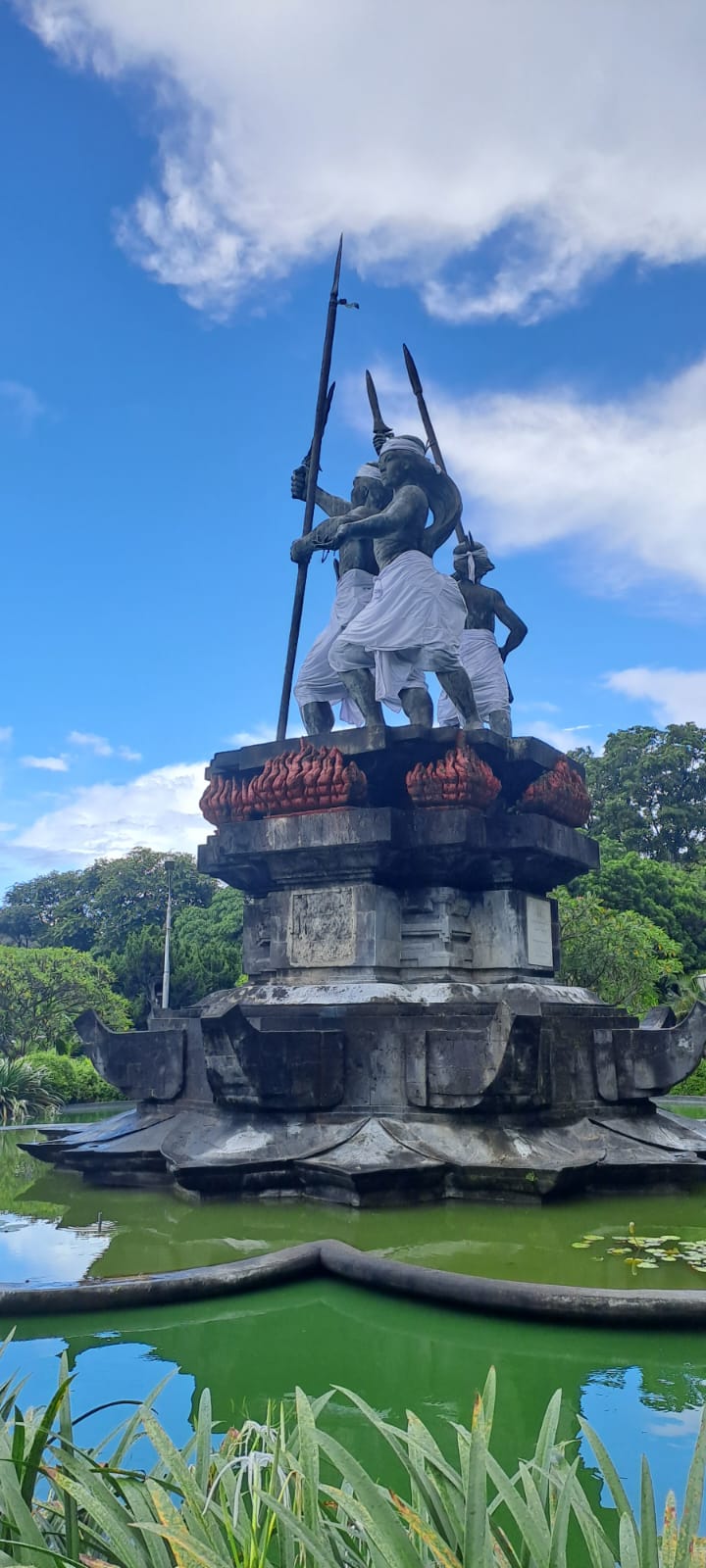
Photo: Fitri Penyalai — CC BY-SA 4.0, via source

A 4.5-hectare square in the centre of Denpasar, and a monument to something specific: in 1906, King I Gusti Ngurah Made Agung and his court walked out against Dutch colonial forces in a puputan — a fight to the end — rather than surrender.
Today families picnic on it, children play, and people walk it in the mornings. It sits steps from the Governor's residence. The combination of that history with ordinary civic life is very Balinese, and worth sitting with for a while.
Taman Mumbul — Badung
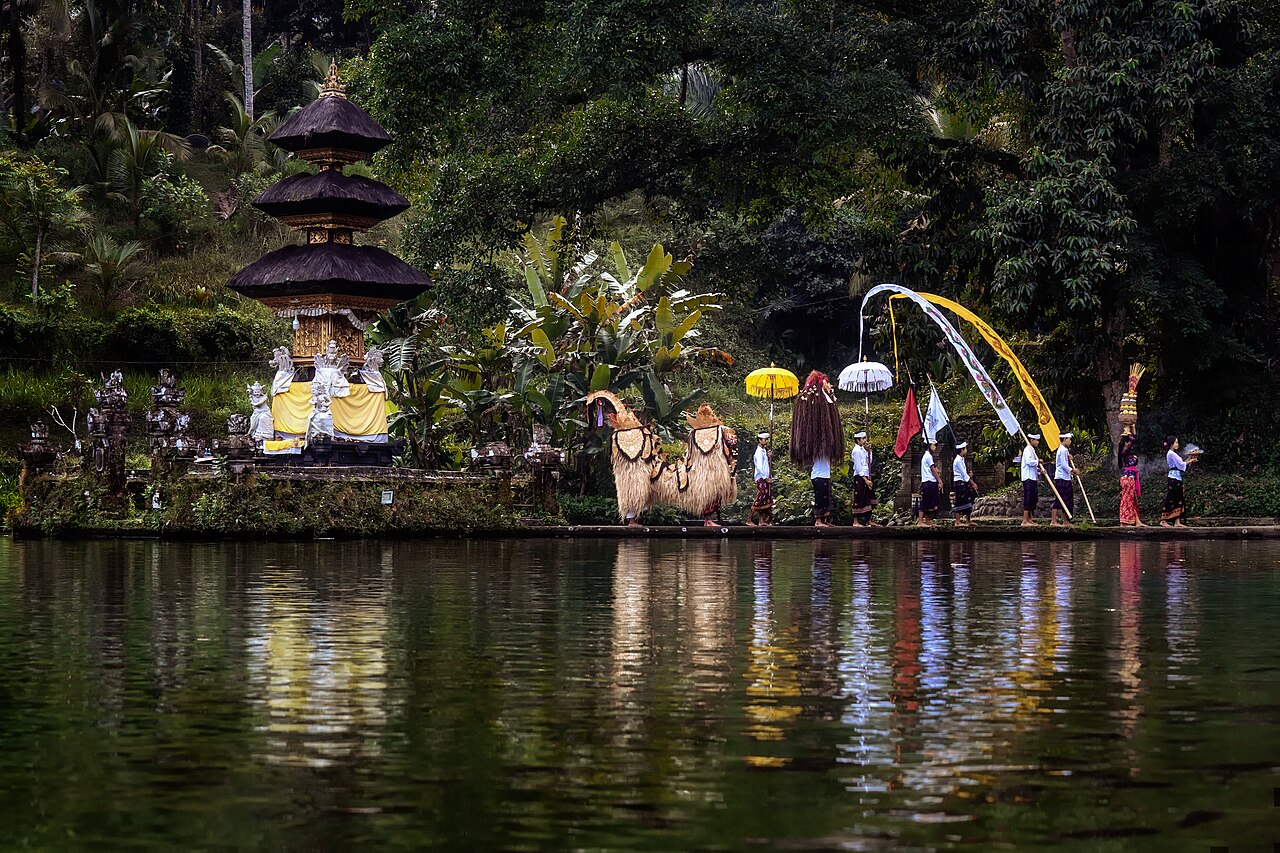
Photo: Surya Edy Gautama — CC BY-SA 4.0, via source

In Sangeh Village, Abiansemal — a sacred site rather than a leisure park. A clear pond holding thousands of fish, with a temple in the middle of the water.
It is used for purification and for the Melasti ceremony before Nyepi. Visitors can take part in purification at Pancoran Solas, which has eleven sacred spouts. Open 7:00 AM to 7:00 PM, busiest around major Hindu festivals — which are also the most interesting times to be there, if you go respectfully.
Bali Bird Park — Gianyar
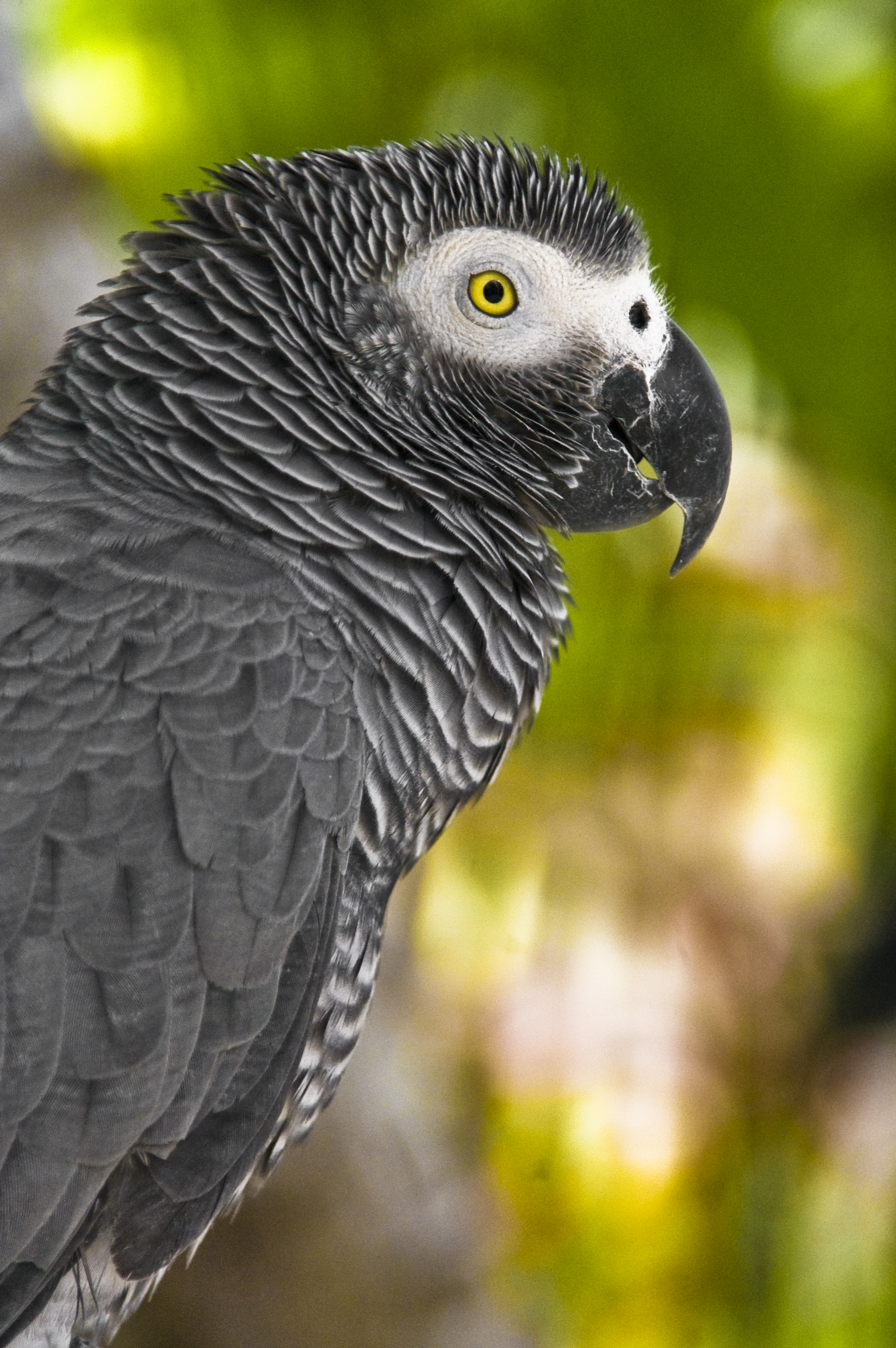
Photo: Guillaume — CC BY 2.0, via source

In Singapadu, Batubulan, opened October 1995 on two hectares. More than 1,500 birds across 250 species, from Indonesia and from Africa, Australia, South America and China.
Eagle shows, pelican and lory feeding, the "Basic Instinct" birds-of-prey display, plus education programmes including the Papua Rainforest feeding and a Komodo exhibit. The most reliably good option on this list if you're travelling with children.
Bali Butterfly Park — Tabanan
Indonesia's largest butterfly conservation site, opened 17 December 1996. One hectare of specialised habitat supporting 15 species.
Small and quiet, and it pairs naturally with a Tabanan day taking in Jatiluwih or Batukaru.
Hutan Pinus Glagalinggah — Bangli

Illustration: Miragi
A pine forest on Manikliyu Road in Kintamani — tall pines, cool air, good for cycling and picnicking, and free to enter.
Its history is more interesting than its trees. The land was part of the former Singamandawa kingdom, and it holds a pule tree the local community treats as sacred. The Dutch colonial administration planted and managed the forest to combat drought and protect the water catchment feeding Lake Batur — a piece of colonial engineering that is now simply a nice place to spend an afternoon.
Taman Hutan Raya Ngurah Rai — Denpasar
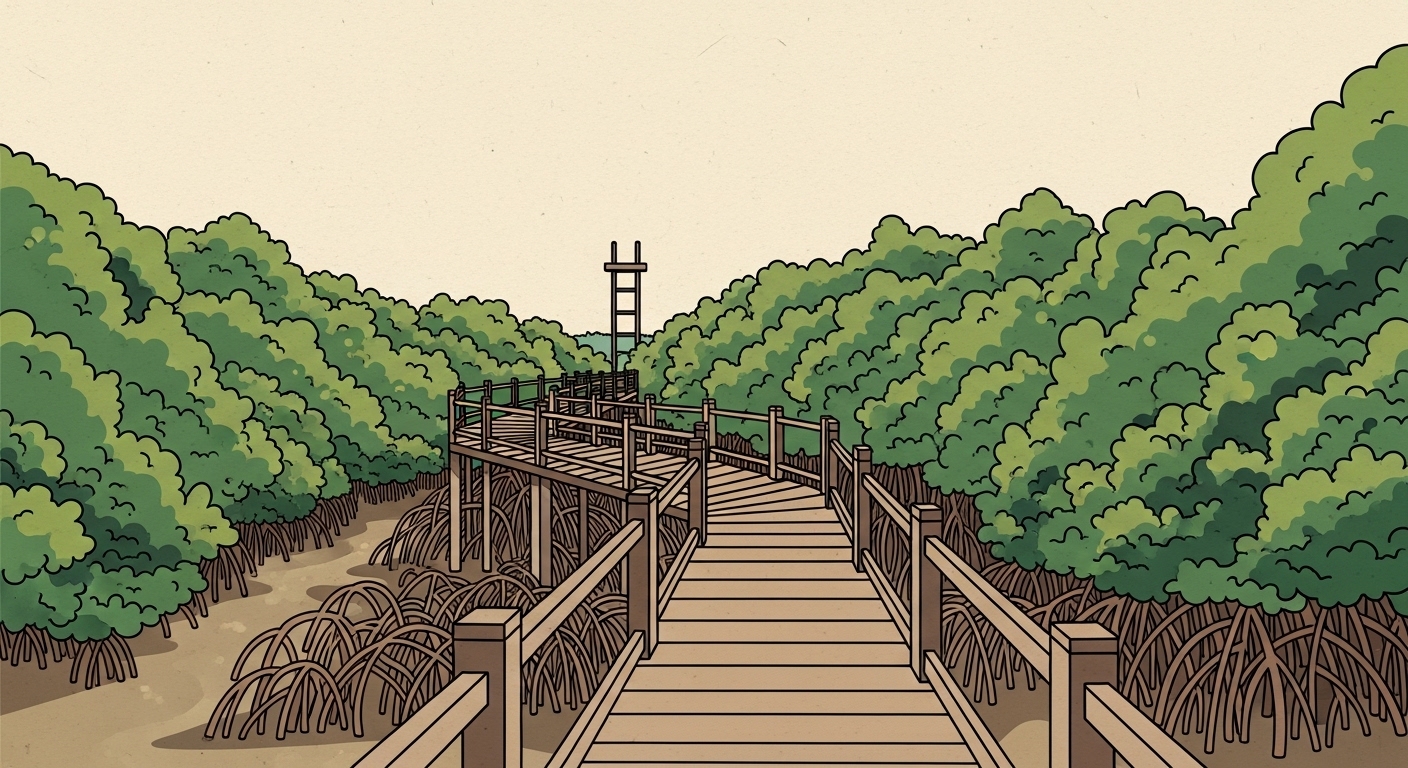
Illustration: Miragi
Bali's only grand forest park: 1,373.5 hectares of mangrove stretching across Denpasar and Badung, mostly in Pemogan, South Denpasar, reaching out toward Tanjung Benoa, Kuta and South Kuta.
It is the coastal protection for the whole southern strip, and boardwalks let you walk out into it. Ten minutes from the airport, which makes it a genuinely good option for a last morning.
Getting more from them
Several of these are sacred sites that happen to be green — Taman Mumbul is a purification place, the Monkey Forest is three temples in a forest, Puputan Badung is a memorial. Treating them as parks alone misses most of what's there.
Miragi covers each with narrated audio guides that play while you walk — the 1906 puputan, the Karangasem royal house, what melukat involves. Over 200 sites across Bali.
If you're timing a trip around the Bali Arts Festival, the weather guide covers what June and July actually look like, and the etiquette guide applies at every site on this list with a temple in it.